
This article delves into the advantages and potential drawbacks of slip disc laser treatment, offering a thorough examination of the procedure’s benefits, risks, recovery process sports injury physiotherapy treatment, and possible complications.
By comparing laser treatment with traditional surgical methods, readers will gain valuable insights to make informed decisions about their healthcare options.
Stay informed about the benefits and risks associated with slip disc laser treatment to empower yourself with knowledge and understanding.
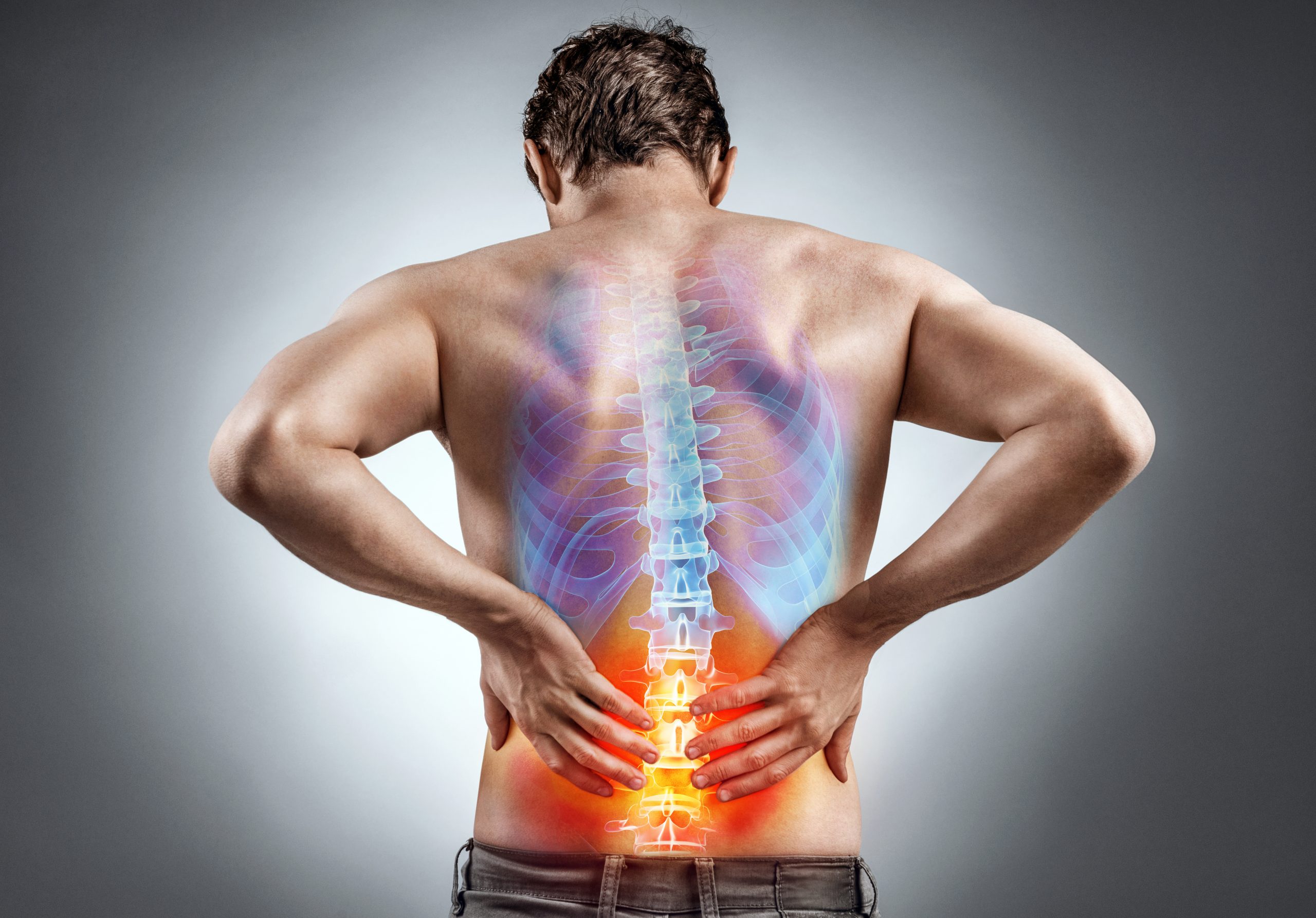
Benefits of Slip Disc Laser Treatment
The benefits of slip disc laser treatment include improved precision in targeting affected areas and reduced recovery time compared to traditional surgical methods. By utilizing advanced laser technology, this minimally invasive procedure offers patients a more efficient and effective treatment option rehabbee physiotherapy.
The focused nature of the laser allows for precise tissue removal, minimizing damage to surrounding healthy tissue. Additionally, the smaller incisions required for laser treatment lead to quicker healing times and reduced post-operative discomfort.
Patients undergoing slip disc laser treatment often experience shorter hospital stays and faster return to daily activities, providing them with the freedom to resume their normal routines sooner. Overall, the benefits of slip disc laser treatment empower individuals to regain mobility and quality of life with minimal disruption.
Risks Associated With Laser Treatment
One potential risk associated with laser treatment for slip disc is the possibility of nerve damage. The precision of the laser is crucial in avoiding unintended harm to nearby nerves during the procedure.
Additionally, there is a slight risk of infection at the site of treatment, although this is rare when proper post-operative care is followed.
Some patients may also experience temporary discomfort or pain following the laser treatment, but this is usually manageable with medication.
It is essential for individuals considering laser treatment for slip disc to discuss these potential risks with their healthcare provider and ensure they are well-informed before making a decision. While the risks are relatively low, being aware of them can help in making an informed choice regarding treatment options.
Recovery Time After Laser Treatment
Following slip disc laser treatment, patients typically experience a recovery time of approximately two to six weeks before resuming normal activities. This period allows for the body to heal, the inflammation to subside, and the treated area to stabilize.
During the initial days post-treatment, patients may need to rest and avoid strenuous activities to aid the recovery process. It is crucial to follow the post-treatment instructions provided by healthcare providers diligently to optimize healing and prevent complications.
Although individual recovery times may vary based on factors such as the severity of the condition and overall health, most patients can expect to gradually increase their activity levels as they progress through the recovery timeline. Patience and adherence to medical advice play key roles in ensuring a successful recovery after slip disc laser treatment.
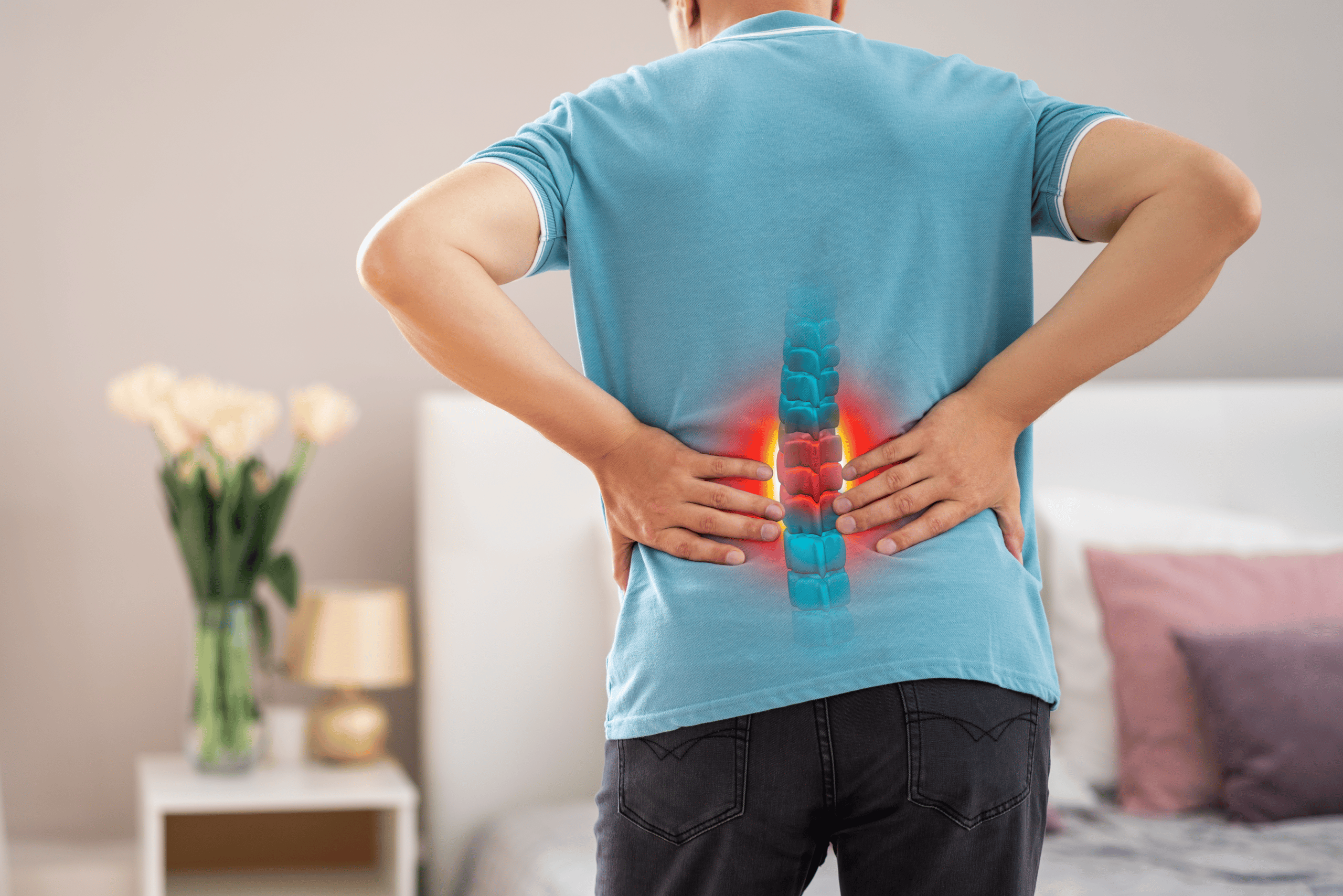
Potential Complications of Laser Treatment
After slip disc laser treatment, patients should be aware of potential complications that may arise during the recovery process. Although laser treatment is generally considered safe, there are risks involved.
Some patients may experience temporary discomfort, such as mild pain or swelling at the treatment site. In rare cases, more serious complications like infection, nerve damage, or allergic reactions to anesthesia can occur. It is essential for patients to follow post-treatment care instructions diligently and report any unusual symptoms to their healthcare provider promptly.
While the likelihood of experiencing complications is low, being informed about these potential risks can help patients make educated decisions about their treatment and ensure a smoother recovery process.
Comparison: Laser Vs. Traditional Surgery
The comparison between slip disc laser treatment and traditional surgery reveals distinct advantages and drawbacks in treating disc-related conditions. Laser treatment offers benefits such as minimal invasiveness, shorter recovery times, and reduced risk of complications compared to traditional surgery. With laser treatment, patients often experience less pain and scarring post-operation, allowing for a quicker return to daily activities.
However, traditional surgery may be more effective for severe cases where complex procedures are necessary. It provides direct access to the affected area, allowing for more extensive interventions if needed. Despite the advantages of laser treatment, traditional surgery remains a viable option for patients requiring more invasive interventions or those with advanced disc conditions.
Consulting with a healthcare provider can help determine the most suitable treatment approach for individual cases.
Conclusion
In conclusion, slip disc laser treatment offers benefits such as minimal scarring, faster recovery, and reduced risk of infection compared to traditional surgery.
However, there are risks associated with laser treatment, including nerve damage and disc re-herniation.
It is important to weigh the potential complications and recovery time when considering this treatment option.
Overall, slip disc laser treatment may be a viable option for some patients, but it is essential to consult with a healthcare professional to determine the best course of action.
