
Introduction

You want glow that lasts, not just a “syok sendiri” moment. In Malaysia’s heat, humidity, and blasting office air-con, your routine needs to be responsive and adaptable. This guide breaks down the benefits of using a moisturizer and a serum together, and how to customize your steps for real, better results in 2025. If you’re deciding where to start, a balanced moisturizer serum combo is a smart move—simple, effective, and worth trying.
Why this matters now in Malaysia
Our climate swings from humid afternoons to dry, air-conditioned nights. That shift stresses your skin barrier and accelerates water loss. With haze days and strong equatorial sun, you’re also battling pollution and UV-triggered pigmentation. A responsive routine—light in the day, cushy at night—keeps your skin calm and consistent. And with formulas improving every year, you can get targeted benefits without a 10-step headache. This adaptability is key to maintaining healthy skin amid Malaysia’s unpredictable weather patterns, ensuring your skincare routine remains effective year-round.
Do I Need Both A Serum & Moisturizer?
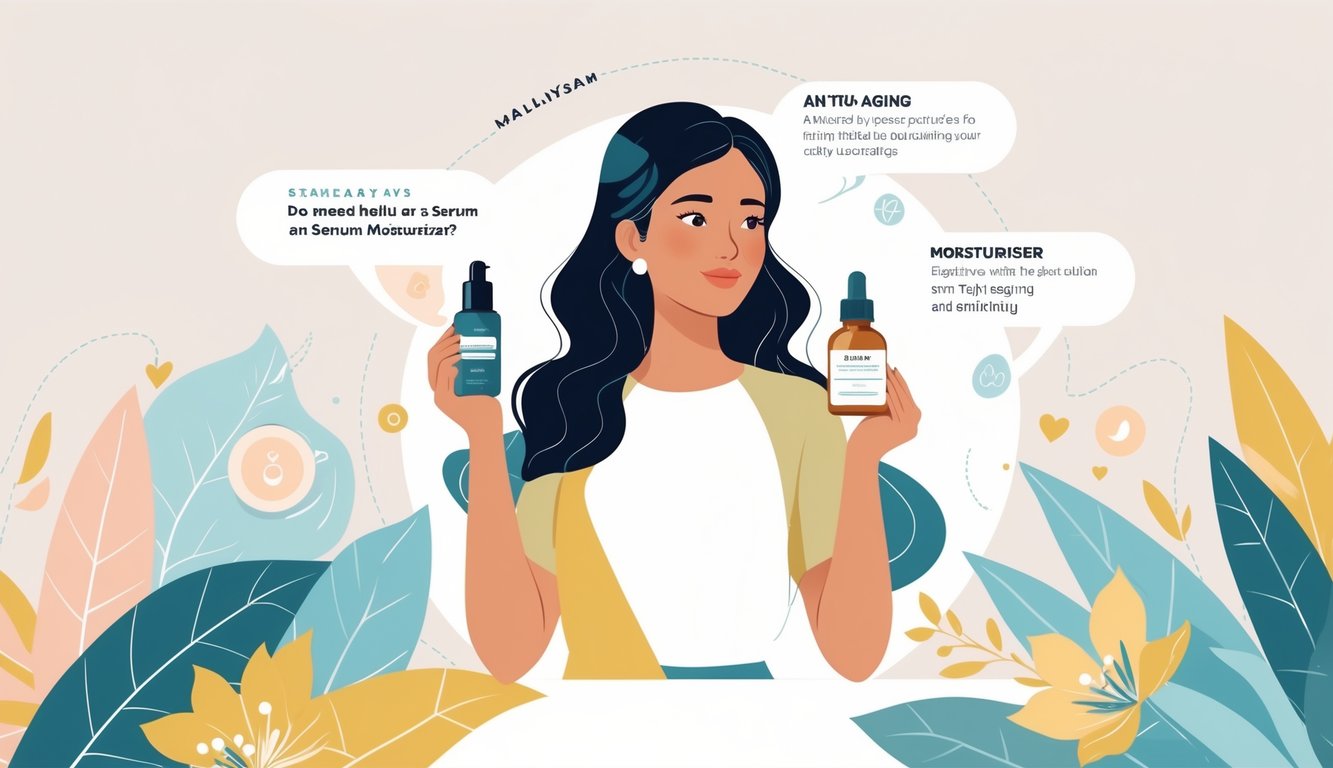
Navigating skincare in Malaysia often raises the question of whether both a serum and moisturizer are essential for optimal results. While individual needs vary, combining them can address specific concerns while maintaining overall hydration, especially in our tropical climate. Understanding when to use both or opt for one can help tailor your routine for better efficacy and comfort.
When you absolutely need both
If your skin feels tight by midday or looks dull despite drinking water, layer both. When treating pigmentation, acne, or fine lines, a serum supplies actives while a moisturizer reduces irritation. After retinoids or exfoliation, that moisturizer buffer is your best friend. You’ll see steadier progress and fewer flare-ups. This combination is particularly beneficial in humid environments where skin can lose moisture quickly, helping to lock in benefits and prevent environmental stressors from undoing your efforts.
When one might be enough
On very humid mornings, an oily skin type may do well with a hydrating serum plus sunscreen. At night after a heavy dinner and late gym, a simple moisturizer may be all you need. Still, don’t ditch both for long; rotating based on weather and skin feel is smarter. Think flexible, not rigid—can, but don’t overdo the minimalist vibe. This approach allows you to simplify without compromising skin health, especially during particularly muggy days in Malaysia when heavy layers might feel overwhelming.
What is a Serum?
Serums are a cornerstone of modern skincare, offering targeted solutions in a lightweight form that’s ideal for layering. In the context of Malaysia’s skincare routines, they provide quick absorption without adding heaviness, making them perfect for our warm climate. Let’s explore what makes serums unique and how they fit into your daily regimen.
Common serum actives
For brightening and pigmentation, look for vitamin C, niacinamide, arbutin, or tranexamic acid. For breakouts, salicylic acid, azelaic acid, or tea tree derivatives can help. For hydration, hyaluronic acid and panthenol are reliable. And for firmness and lines, peptides and retinoids lead the pack. These actives are chosen based on specific skin concerns, allowing for personalized skincare that addresses issues like sun-induced pigmentation common in Malaysia. Incorporating them thoughtfully can lead to noticeable improvements in skin tone and texture over time.
Texture and absorption
Serums feel light: fluid, gel, or essence-like. They sink in fast, leaving little residue, which is perfect for humid mornings. If a serum pills under sunscreen, use less or wait a minute between layers. You want a clean, even base before you seal everything in. This quick absorption is especially advantageous in tropical climates, preventing a sticky feel during the day. Overall, the right texture ensures seamless integration into your routine without disrupting makeup or sunscreen application.
What is a Moisturizer?
Moisturizers serve as the foundation of hydration in any skincare routine, essential for maintaining skin health in varying environmental conditions. In Malaysia, where humidity and air conditioning can dry out the skin, selecting the appropriate moisturizer is crucial for barrier protection. This section delves into its components and how to choose the best one for your needs.
Humectants, emollients, occlusives—what they do
Humectants like glycerin and hyaluronic acid draw in water to plump your skin. Emollients like squalane and ceramides fill gaps between skin cells for softness. Occlusives like dimethicone or shea butter create a light seal to prevent dehydration. Together, they support a resilient barrier. In Malaysia’s climate, this trio helps combat moisture loss from heat and pollution. Choosing products with a balance of these ingredients ensures comprehensive care tailored to local environmental challenges.
Finish and feel
Gels feel weightless and suit oily or combo skin in humid weather. Lotions balance hydration without greasiness, great for daytime under SPF. Creams cushion drier skin or air-con nights. Your pick should feel comfy, not sticky—if it feels heavy, switch texture, not the step. This variety allows for customization based on daily weather fluctuations in Malaysia. Ultimately, the right finish enhances comfort and encourages consistent use in your skincare routine.
Serum vs. Moisturizer: What’s the Difference?
When comparing serum vs moisturizer, it’s important to recognize their complementary roles in achieving balanced skincare. Serums focus on treatment, while moisturizers emphasize protection and hydration, making them a powerful duo for Malaysian skin concerns. This comparison will help clarify their differences and guide your choices.
| Aspect | Serum | Moisturizer |
|---|---|---|
| Texture | Light, fast-absorbing | Gel, lotion, or cream |
| Key role | Targeted treatment (actives) | Hydration + barrier protection |
| Typical actives | Vitamin C, niacinamide, retinoids | Ceramides, squalane, glycerin |
| When to apply | After cleanse/toner | After serum, before SPF |
| Who benefits most | Specific concerns: acne, spots, lines | Everyone, daily |
Benefits at a glance
Use serum to drive visible change in tone, texture, and clarity. Use moisturizer to make those gains last and to prevent irritation. Together, they create a stable environment so actives perform without stressing your skin. That’s how you get results that stick, not just one good skin day. In Malaysia’s humid climate, this synergy is particularly effective for maintaining skin health year-round. Incorporating both into your routine can lead to more resilient and radiant skin over time.
What Does a Serum Do for Your Face?
Serums are designed to deliver potent benefits directly to your skin, addressing various concerns with precision. In the Malaysian context, where environmental factors like sun and pollution play a big role, serums can be game-changers for targeted care. Here’s what you can expect from incorporating them into your routine.
Targeted results you can expect
Brightening serums even tone and help reduce new dark spots from daily sun exposure. Hydrating serums plump fine lines and improve bounce, which makes makeup sit better. Clarifying serums smooth congestion and reduce visible pores over time. Each type focuses on one job, so pairing is easy. For those in Malaysia dealing with pigmentation from UV rays, these serums offer tailored solutions. Consistent use can transform your skin’s appearance and feel significantly.
How long before you see change
Hydration is immediate, often within minutes. For brightness and texture, give it 4–8 weeks of consistent use. For stubborn pigmentation or lines, expect 8–12 weeks and stick to daily sunscreen. Progress is steady when you’re consistent, so jangan cepat give up. Patience is key in tropical climates where skin recovery can be influenced by humidity. Tracking changes weekly can help maintain motivation throughout the process.
What’s the Difference Between Serum and Face Oil?
While both serums and face oils enhance skincare, they differ in composition and function, affecting how they’re used in routines. In Malaysia’s varied climate, understanding these differences helps in creating an effective, non-greasy regimen. Let’s break down their unique characteristics.
Oil vs water-based formulas
Water-based serums absorb quickly and carry actives deeper. Oils sit closer to the surface to reduce water loss and add glow. If you use both, serum goes first, oil last or mixed into night cream. It’s about order and intention, not buying everything on the shelf. This layering technique is ideal for humid environments to avoid heaviness. Proper sequencing ensures maximum benefits without compromising skin comfort.
Who should use face oil
Dry and mature skin types love the extra cushion of oil at night. Oily skin can still benefit from a drop of lightweight oil to prevent overcompensation. In humid Kuala Lumpur, keep it minimal—one to two drops warmed in palms will do. If it feels greasy, scale back or reserve for air-con nights. Face oils can be particularly soothing after long exposure to drying indoor air. Experimenting with amounts helps find the perfect balance for your skin type.
How to Use Serums and Moisturizers Together
Effectively combining serums and moisturizers requires attention to order and adaptation to daily conditions. In Malaysia, where weather can change rapidly, a flexible approach ensures your skin stays balanced. This guide provides practical steps for morning and evening routines.
AM routine that plays well with SPF
Cleanse lightly to remove sweat and oil without stripping. Apply a hydrating or brightening serum and wait 30–60 seconds. Follow with a gel or lotion moisturizer, then finish with broad-spectrum sunscreen. If you’re rushing, use thinner layers so products sit smoothly under makeup. This sequence protects against UV damage prevalent in Malaysia. Adjusting for humidity ensures a fresh, non-greasy feel throughout the day.
PM routine for recovery
Cleanse thoroughly—double cleanse if you wear sunscreen and makeup. Apply your treatment serum: retinoid for lines and texture, or a soothing serum on sensitized days. Seal with a creamier moisturizer to support overnight repair. On extra dry nights, add a drop of oil or choose a richer cream. This nighttime focus aids skin regeneration after daily environmental stress. Consistency in this routine promotes long-term improvements in skin health.
Complete the Routine
Building a complete skincare routine goes beyond just serums and moisturizers; it’s about creating a holistic approach that adapts to your lifestyle. In Malaysia, consistency combined with customization yields the best results for glowing skin. Let’s explore how to fine-tune your regimen for optimal outcomes.
Customize for Malaysia’s climate
On hot, sticky mornings, go with a hydrating serum plus a gel moisturizer. During haze or long office hours, switch to a lotion for better barrier support. After beach days or hiking, pause strong actives and focus on calming and ceramides. Your routine should flex when the weather does. This flexibility helps combat issues like dehydration from air conditioning. Tailoring to local conditions ensures sustained skin vitality.
Start now, keep it steady
Pick one goal and one serum, then pair it with a moisturizer that feels good. Track your skin for 4–8 weeks before changing things. If irritation shows up, reduce frequency or layer a thicker moisturizer at night. Small tweaks beat big overhauls every time. Beginning with simple steps builds confidence in your routine. Over time, this steady approach leads to visible, lasting improvements.
Frequently Asked Questions
Can I mix serum into my moisturizer?
You can, but it depends on the formulas. Mixing can dilute a serum’s potency or affect texture, so apply separately if you want reliable results. If you must mix, do it at night and keep the combination consistent for a few weeks to gauge performance. Always patch test when trying a new combo. This method can be convenient for busy routines in Malaysia. However, separate application often yields better targeted benefits.
How many serums can I use at once?
Two is a practical maximum for most people. Pair a hydrating or soothing serum with a treatment serum to keep balance. If you stack too many actives, you risk pilling or irritation, especially in humid weather. Rotate actives across AM and PM instead of piling everything on. This strategy prevents overwhelming your skin barrier. It’s particularly useful in tropical climates to maintain harmony in your routine.
Should moisturizer go before or after sunscreen?
Moisturizer goes before sunscreen. You want SPF as the last step in the morning so it forms an even protective film. Wait a minute after moisturizer, then apply enough sunscreen to cover face and neck. Reapply if you’re out in the sun or sweating. This order ensures maximum UV protection in sunny Malaysia. Proper layering enhances overall skincare efficacy.