Introduction
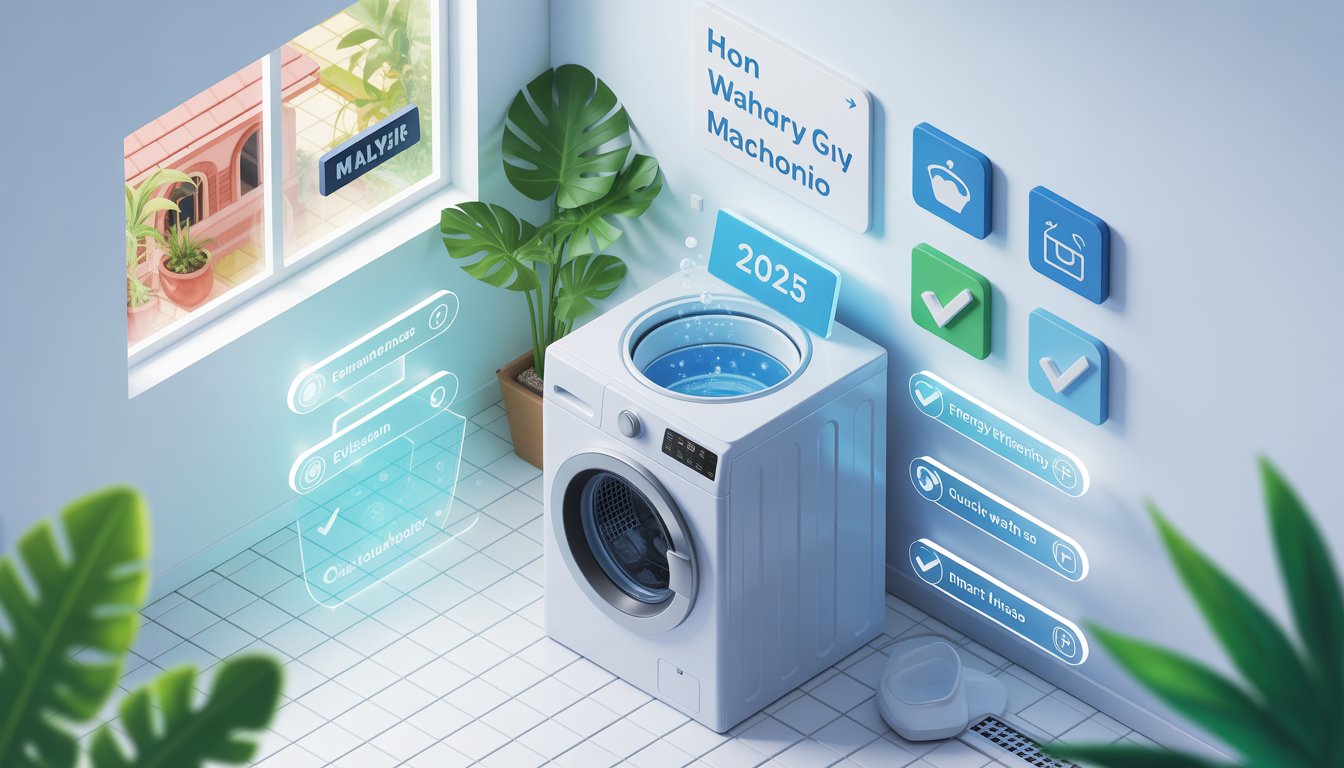
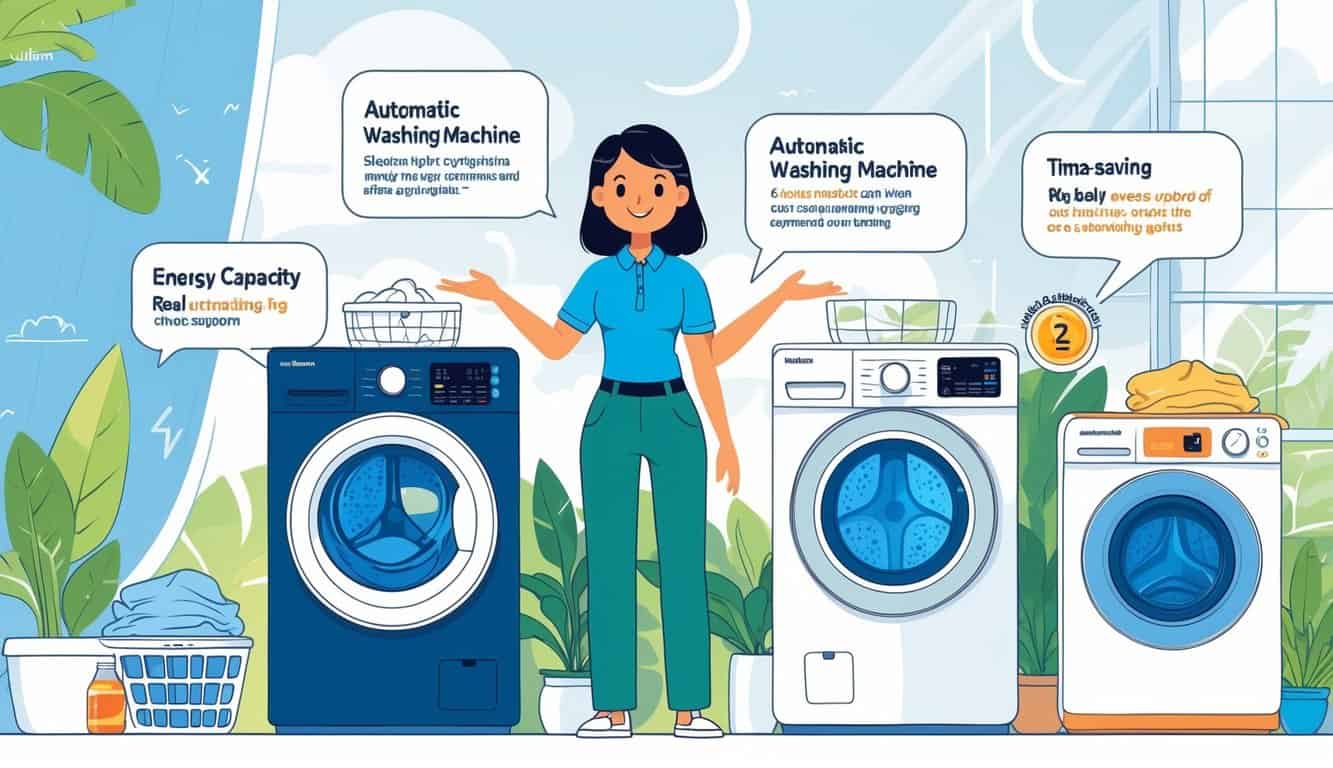
Choosing an automatic washing machine in Malaysia shouldn’t take all weekend. In this beginner-friendly guide, I break down the latest (2025) options in clear, skimmable terms so you can decide quickly and confidently. I’ll explain capacities in real-life terms, the differences between front load, top load, and combo units, and the features that genuinely save time and electricity in our humid climate. I’ll also touch on prices in RM where it helps, and end with a few gentle tips on getting the most value without compromising garment care.
If you want a quick starting point to compare models and features later, bookmark this guide and refer back while shopping. When you’re ready to browse, you can start with an automatic washing machine shortlist and compare by capacity, wash programs, and energy labels to see which fits your space, habits, and budget.
Washing Machine Capacity Guide
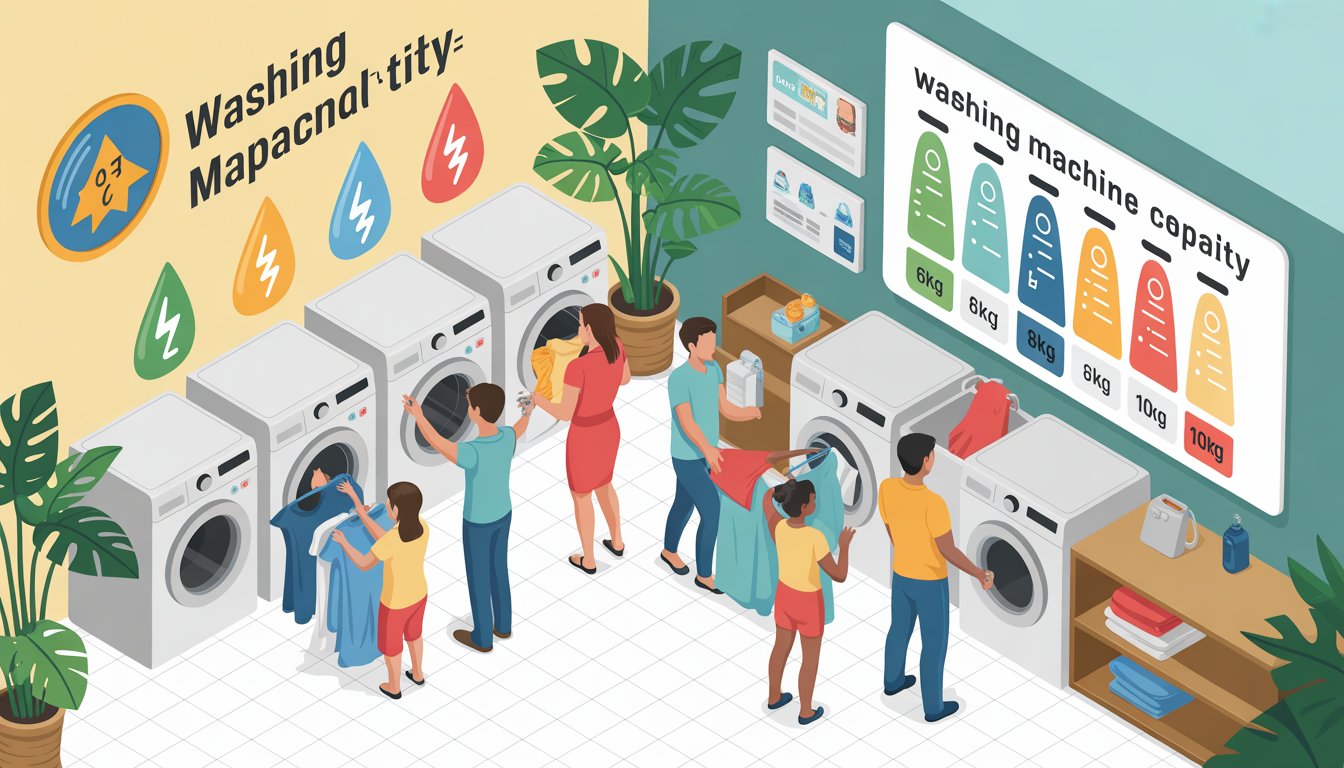
Understanding washing machine capacity is crucial when selecting the right model for your household in Malaysia, as it directly impacts efficiency, energy consumption, and overall convenience. Capacity refers to the maximum dry weight of laundry the machine can handle per cycle, typically measured in kilograms. By choosing the appropriate size, you can avoid overloading, which leads to poorer cleaning results and potential damage to clothes, while also minimizing the number of loads you need to run each week. This section will explore how to match capacity to your family size and laundry habits, helping you make an informed decision that balances space, budget, and performance.
Capacity is the number one factor because it dictates how many loads you’ll run each week and whether bedding or large towels fit without overstuffing. Manufacturers list capacity in kilograms (kg), which refers to the dry weight of laundry per cycle. If you regularly wash duvet covers, queen/king bedsheets, school uniforms, sportswear, and towels, sizing up by 1–2 kg from your initial estimate often pays off in fewer, faster cycles. To help visualize this, consider that smaller households benefit from compact models that save on utilities, while larger families need more room to handle bulkier items efficiently.
Choosing Washing Machine Capacity by Family Size
For singles or couples, a 7–8 kg washer feels nimble and cost-effective. It’s typically easier to fit in smaller condos, and it uses less water and electricity per cycle when you’re washing T-shirts, workwear, and a few towels. If you occasionally wash bedding, choose the higher end of the range to avoid overpacking the drum. This size promotes energy efficiency in urban living spaces common in Malaysia, where every square foot counts.
With three to four people under one roof, jump to 9–10 kg to keep laundry day manageable. You’ll appreciate the extra drum space during school terms, when uniforms and sports kits pile up, or when everyone needs fresh towels after rainy days and workouts. A mid-range capacity helps prevent the temptation to overfill, which can shorten garment life and reduce rinse quality. Overall, this capacity strikes a balance for growing families, ensuring smooth transitions between loads without excessive waiting times.
For five or more, or if you routinely wash bedding and plush towels, 11–12 kg keeps weekend laundry under control. You’ll notice faster turnover because larger items can spread out in the drum, improving rinse and spin extraction. If you’re the household hero who tackles king-size duvets or thick blankets, consider 13–15 kg to eliminate the laundromat run for bulky items. Larger capacities also accommodate seasonal items like winter comforters, making them versatile for Malaysia’s varied weather patterns.
Selecting Washing Machine by Load Capacity (e.g., 7kg to 15kg)
Numbers can feel abstract, so I like to think in “outfit equivalents.” A 7–8 kg washer typically handles a few pairs of jeans, several tops, and a couple of towels comfortably without cramming. A 9–10 kg model adds enough room for uniforms or a set of bedding, so you don’t need to split items into multiple cycles. This approach helps in optimizing your laundry routine and reducing water usage over time.
When you reach 11–12 kg, the machine is built for mixed family loads and bulkier textiles like bath mats or light blankets. The extra space helps prevent tangling and ensures detergents rinse out properly. At 13–15 kg, you’re targeting comforters, heavy blankets, and queen/king sheets in one go, which saves time and reduces wear from repeated washes. Higher capacities often come with advanced features that enhance cleaning efficiency for these larger loads.
It’s also worth considering the spin speed at each capacity tier. Higher spin speeds remove more water, cutting dryer time or line-drying duration in humid weather. Balance this with fabric care: cottons love higher spins, while delicates prefer gentler cycles to maintain shape and color. Ultimately, selecting the right capacity involves assessing your typical laundry volume and incorporating these practical considerations for the best results.
Washing Machine Types
When exploring automatic washing machine options in Malaysia, understanding the different types is essential for finding a model that aligns with your lifestyle and space constraints. From front-loading machines that emphasize efficiency to top-loading ones that prioritize ease of use, each type offers unique benefits tailored to various needs. Combo units provide added convenience for those with limited space, combining washing and drying functions seamlessly. This section delves into the specifics of each type, highlighting their features and suitability for Malaysian households facing humid climates and busy routines.
Once capacity is clear, think about machine type. Front loaders are known for fabric care and water efficiency, top loaders for straightforward loading and quick cycles, and combo units for space-saving convenience. In 2025, smart features have matured across categories, so you’ll find useful presets, upgraded motors, and better noise control whether you prefer front or top loading. These advancements ensure that regardless of your choice, you’ll enjoy reliable performance and energy savings.
Fully-Automatic Washing Machine
A fully-automatic washer handles wash, rinse, and spin with one button press, freeing you from manual intervention. It’s the simplest way to ensure consistency, especially when every family member helps with chores. Look for intuitive controls, clear program labels, and progress indicators so you can set-and-forget without second-guessing. This type is particularly appealing for beginners or those with hectic schedules.
Modern fully-automatic models often include quick wash programs that genuinely clean in under an hour, which is perfect for weekday loads. Many also adjust water levels automatically, which reduces waste and improves detergent performance. For busy homes, this type strikes the best balance between ease of use and dependable results. Additionally, they often feature child-lock options for added safety in family environments.
In Malaysia’s compact kitchens and laundry corners, fully-automatic machines help limit clutter by eliminating extra tubs or manual transfers. The result is a smoother routine with fewer steps—and fewer excuses to postpone laundry day. Their compact designs make them ideal for urban apartments, where space optimization is key.
Front Loading Steam Washer
Front loading steam washers use steam to loosen dirt, refresh fabrics, and reduce wrinkles, which can save ironing time. Steam can also help with hygiene by tackling odors in sportswear and gym towels. If you’re sensitive to detergents, steam-enhanced cycles can improve rinse effectiveness, which is gentler on skin. This makes them a great choice for allergy sufferers.
Front loaders generally use less water and are kinder to fabrics because gravity assists the tumble action. That means fewer stretched collars, less pilling, and better long-term color protection. Pairing steam with a dedicated allergen or hygiene cycle is a smart way to keep linens feeling hotel-fresh without overspending on heavy-duty detergents. Their efficiency also contributes to lower utility bills over time.
Look for drum patterns designed to reduce friction and motors that support precise speed control. These details contribute to smoother spins, quieter operation, and consistent cleaning across cottons, synthetics, and mixed loads. In humid Malaysian climates, these features help prevent mold buildup and ensure thorough drying preparation.
Front Loading Washer & Dryer Combo
A washer-dryer combo washes and dries in the same cabinet, which is ideal for studios or homes without a balcony or drying rack space. You pop laundry in once, choose the program, and return to clothing that’s clean and dry. This one-step approach saves time and simplifies routines, especially during the rainy season. It’s perfect for those with limited space who value convenience.
Combo units shine for smaller, frequent loads rather than massive weekend piles. They’re most efficient when you wash what you need for the next day—work outfits, school uniforms, or gym gear. To get the best results, avoid overloading and use the combos’ specific drying programs tailored to fabric type. This ensures optimal performance without compromising fabric integrity.
In 2025, many combos integrate moisture sensors and heat-pump-inspired drying to be gentler on fibers. If energy use is a concern, compare the energy label and look for eco modes that cut drying temperatures while maintaining consistent results. These innovations make combos a forward-thinking choice for modern Malaysian living.
DD Inverter Top Loading Washer
A DD (Direct Drive) inverter top loader connects the motor directly to the drum, reducing vibration and improving control at different speeds. You get shorter, efficient cycles with less mechanical noise, which is handy if your laundry area is near living spaces. Inverters are also more energy-efficient, which adds up in monthly savings. This technology enhances the overall durability of the machine.
Top loaders remain popular for their ergonomic loading height and quick add-to-wash convenience. Many models let you pause and toss in that missing sock without fuss. If you’re used to pouring water or adjusting timers on older machines, you’ll appreciate how a modern DD inverter does everything automatically while preserving fabric quality. Their user-friendly design appeals to a wide range of users.
Look for soft-close lids, clear glass windows, and intuitive displays that are easy to read from different angles—important when your machine sits under a countertop or in a narrow utility nook. These small design details make every interaction smoother and more satisfying. In Malaysia, where homes vary in layout, such features ensure seamless integration into daily life.
Front Loading Washer Model P12
Think of a P12-class front loader as a 12 kg workhorse optimized for family life. It typically brings higher spin speeds for shorter drying times and a set of specialized programs—delicates, mixed, heavy soil, and a trustworthy quick wash. With a balanced drum and precision sensors, a P12 handles everything from school uniforms to bedding with consistent results. This model is designed for reliability in demanding households.
What sets this class apart is ease of use. A responsive control panel and a clear cycle list reduce guesswork, and many units remember your last settings. Add in steam support or an intensive hygiene cycle, and you’ll have fewer ironing sessions and fresher towels week after week. These conveniences make laundry less of a chore and more efficient.
If you’re shopping online, check the door clearance, depth, and hinge orientation to ensure the P12 fits your space. Front loaders typically need a bit of door swing area, but their shallow depth can be a space-saver in galley kitchens or corridor laundries. Considering these factors ensures a perfect fit for your home setup in Malaysia.
Heat Pump Dryer Model C12
A C12-class heat pump dryer complements a P12 washer by drying up to 12 kg efficiently at lower temperatures. Heat pump technology recycles warm air, protecting fibers while using less energy than traditional vented or condenser dryers. In Malaysia’s humidity, this means predictable drying without relying entirely on sun or airflow. It’s an eco-friendly option for consistent results.
Gentle drying preserves the loft of towels and the shape of sportswear elastics. With accurate moisture sensors, the dryer stops when clothes reach the target dryness, preventing overdrying that can cause shrinkage. It’s a reliable upgrade if you want hotel-like softness without aggressive heat. This approach extends the lifespan of your garments.
For stack setups, confirm the stacking kit and weight limits, and make sure the control panel remains reachable. Good installers will secure everything properly and explain filter cleaning so you keep performance and energy efficiency high. Proper maintenance ensures long-term satisfaction in humid environments like Malaysia.
Other Washing Machine Features
Apart from core aspects like capacity and type, several additional features in automatic washing machines can significantly enhance your laundry experience in Malaysia. These include advanced technologies that promote energy efficiency, better garment care, and optimal drying results. By focusing on these elements, you can select a machine that not only cleans effectively but also saves time and resources. This section covers key features to consider, providing insights into how they contribute to everyday convenience and long-term value.
Beyond capacity and machine type, a few technologies have a real impact on your bills, your time, and your clothes’ longevity. Sensors that adapt water and wash action to the load, hygienic cycles that cut bacteria on towels, and better drum engineering are all worth a closer look. Here’s how to evaluate them quickly and confidently, ensuring you get the most out of your investment.
Energy-Efficient Garment Care Technology
Sensors are your friend: they measure load weight, soil level, and sometimes turbidity of rinse water to fine-tune cycle length and water use. Over a year, these micro-adjustments can turn into meaningful RM savings. Inverters also help by delivering the exact torque needed, which lowers electricity use and noise while protecting fabrics. This technology is particularly beneficial in energy-conscious households.
Look for eco modes that don’t feel like compromises. The best ones maintain water coverage and agitation while slightly extending cycle time to save energy. If your schedule is flexible, running an eco cycle in the evening can be both quiet and cost-efficient, especially in apartments with shared walls. These modes align well with Malaysia’s push towards sustainable living.
Finally, check the energy label and annual consumption figures provided by the manufacturer. While labels can vary, a clear comparison across similarly sized models makes it easier to choose the most efficient unit without sacrificing cleaning performance. Prioritizing these features can lead to substantial long-term savings.
Achieving That Fluffy Hotel Towel Feel with Advanced Drying
That “hotel towel” loft comes from thorough rinse, high spin extraction, and gentle drying with enough airflow to lift fibers. Heat pump dryers excel here because lower, consistent temperatures reduce fiber collapse and overdrying. If you line-dry, a high spin in the washer shortens the time towels spend on the rack, keeping them fresher and less stiff. This method enhances the overall texture and durability.
Drum design matters. A well-contoured drum with precise baffles reduces tangling, allowing warm air to circulate properly during drying. Add an anti-crease or gentle tumble function at the end, and you’ll need fewer shakes before folding. These design elements contribute to professional-level results at home.
For an extra-soft finish, use a small dose of fabric conditioner with towels and run a warm (not hot) drying program. Overdosing softener can reduce absorbency, so a measured approach delivers softness without compromising function. Experimenting with these tips can help achieve that luxurious feel consistently.
Using Laundry Detergent Correctly for Optimal Results
Use HE (high-efficiency) detergent for both front and modern top loaders. It produces fewer suds while maintaining cleaning power, which is critical in low-water cycles. Too much suds can trap dirt and extend rinse time—wasting water and energy while dulling fabrics. Proper usage ensures effective cleaning without residue buildup.
Measure detergent according to load size, soil level, and water hardness. If your machine has an automatic dispenser, fill the reservoir and let the sensor manage each dose; it’s one of the easiest ways to save money and protect garments. For manual dosing, start with the manufacturer’s recommendation and adjust slightly based on results—less is often more with modern machines. This precision prevents common laundry pitfalls.
Powder vs. liquid comes down to preference and storage. Liquids dissolve quickly in cold water, which is great for energy-saving cycles. Powders can tackle stubborn odors effectively but may need warm water for full dissolution; a 30–40°C cycle is a good balance for most mixed loads. Choosing the right type enhances overall laundry efficiency in Malaysia’s climate.
Choose the Best Automatic Washing Machine with Electrolux
Electrolux stands out as a reliable brand for automatic washing machines in Malaysia, offering models that cater to diverse needs with innovative features and user-friendly designs. Their range includes options for various capacities and types, ensuring there’s something for every household. With a commitment to quality and efficiency, Electrolux machines are built to handle the demands of daily life while providing excellent value. This section highlights why choosing Electrolux can be a smart decision, along with details on their purchasing benefits.
Electrolux offers a balanced lineup for Malaysian homes, from compact front loaders to large-capacity top loaders and matching heat pump dryers. What I appreciate most is the focus on ease of use—responsive controls, practical programs, and quiet operation—so doing laundry doesn’t dominate your day. If you’re undecided between two capacities, Electrolux’s clear program labels and thoughtful drum designs make it easier to step up a size with confidence.
Free Delivery on All Orders
Free delivery removes one more hurdle from your purchase decision and keeps your budget focused on the machine itself. In compact condos, professional delivery teams make tight entries and corners easier to navigate. You save time, reduce the risk of damage, and get your new washer where it needs to go without stress. This service adds significant convenience for urban dwellers.
Most deliveries include placement and basic setup, which means you can run your first cycle the same day. Ask the installers to level the machine carefully; proper leveling keeps noise down and protects bearings over the long term. This attention to detail ensures optimal performance from the start.
With free delivery, it’s simpler to coordinate your schedule and avoid extra logistics. That’s especially helpful if you need to remove an old unit or align with a renovation timeline. Overall, it streamlines the transition to your new appliance.
0% Installment Plans Available
Interest-free installments make it easier to step up to a capacity or feature set that will serve your household longer. Over the life of the machine, that extra capacity or inverter motor usually pays back in fewer cycles and lower energy use. Breaking the cost into monthly payments helps you manage cash flow without sacrificing performance. This flexibility is ideal for budget-conscious buyers.
If your workload fluctuates—school holidays, new baby, or work-from-home shifts—upgrading at purchase ensures you’re prepared. A roomy drum plus a reliable quick wash program is a powerful combination for busy weeks. These plans allow you to invest in quality without immediate financial strain.
Before you finalize, check the plan length, minimum spend, and any processing fees so the monthly figure aligns with your budget. Clarity upfront keeps ownership simple and stress-free. Electrolux’s options make premium features accessible to more families.
Great Prices and Exclusive Deals
Seasonal promotions and bundle deals can add real value, especially when pairing a front loader with a heat pump dryer. You’ll often find accessory discounts—stacking kits, hoses, or extended warranties—that save money and time later. It’s worth comparing a few similarly sized models side by side to see which bundle aligns with your laundry routine. These deals enhance affordability.
When evaluating prices in RM, consider total cost of ownership: water and electricity usage, expected lifespan, and maintenance effort. Inverters and smart sensors typically reduce long-term costs by optimizing every cycle. This holistic view helps in making a wise investment.
If you’re on the fence, shortlist two or three models and compare by capacity, spin speed, energy label, and key programs like steam or hygiene. A quick comparison helps you avoid overbuying features you’ll never use while still getting a machine that feels responsive and future-ready. Electrolux’s offerings often stand out in such evaluations.
FAQs
What size automatic washing machine should I buy for a family of four?
For most families of four in Malaysia, a 9–10 kg washer hits the sweet spot. It fits uniforms, towels, and a set of bedding without cramming, so cycles clean and rinse properly. If you frequently wash heavy linens or thick towels, consider stepping up to 11–12 kg. This size ensures efficiency without overwhelming your space or budget.
Is a front load washer better than a top load washer?
Front loaders are typically more water-efficient and gentler on fabrics, and they often pair well with steam for hygiene and wrinkle reduction. Top loaders are easier to load and can run quick cycles with straightforward controls. Choose based on your space, fabric mix, and preference for loading style. Both have merits depending on your specific needs.
Do I need a washer-dryer combo if I have a balcony?
Not necessarily. If you have reliable sun and airflow, a separate washer plus line drying can work well. Combos shine when space is tight or during rainy seasons; they’re best for smaller, frequent loads where one-touch wash-and-dry saves time. Evaluate your drying habits to decide.
How much detergent should I use with an HE washer?
Start with the detergent manufacturer’s HE guideline for your load size and soil level, then adjust slightly based on results. Overdosing creates excess suds that can trap dirt and extend rinse time. If your washer has an auto-dosing drawer, rely on it for consistent, efficient dosing. This practice optimizes cleaning and conserves resources.
What’s the benefit of a heat pump dryer in Malaysia?
Heat pump dryers use lower temperatures and recycle warm air, which saves energy and protects fabrics. In humid weather, they deliver consistent drying without relying on sunlight. Towels come out soft and fluffy with less risk of overdrying or shrinkage. They’re a smart choice for reliable performance year-round.